Art only gets interesting after we find ourselves standing in front of something that we are unable to immediately explain completely. Christoph Schlingensief
Young RZt
<
>




1
(4)
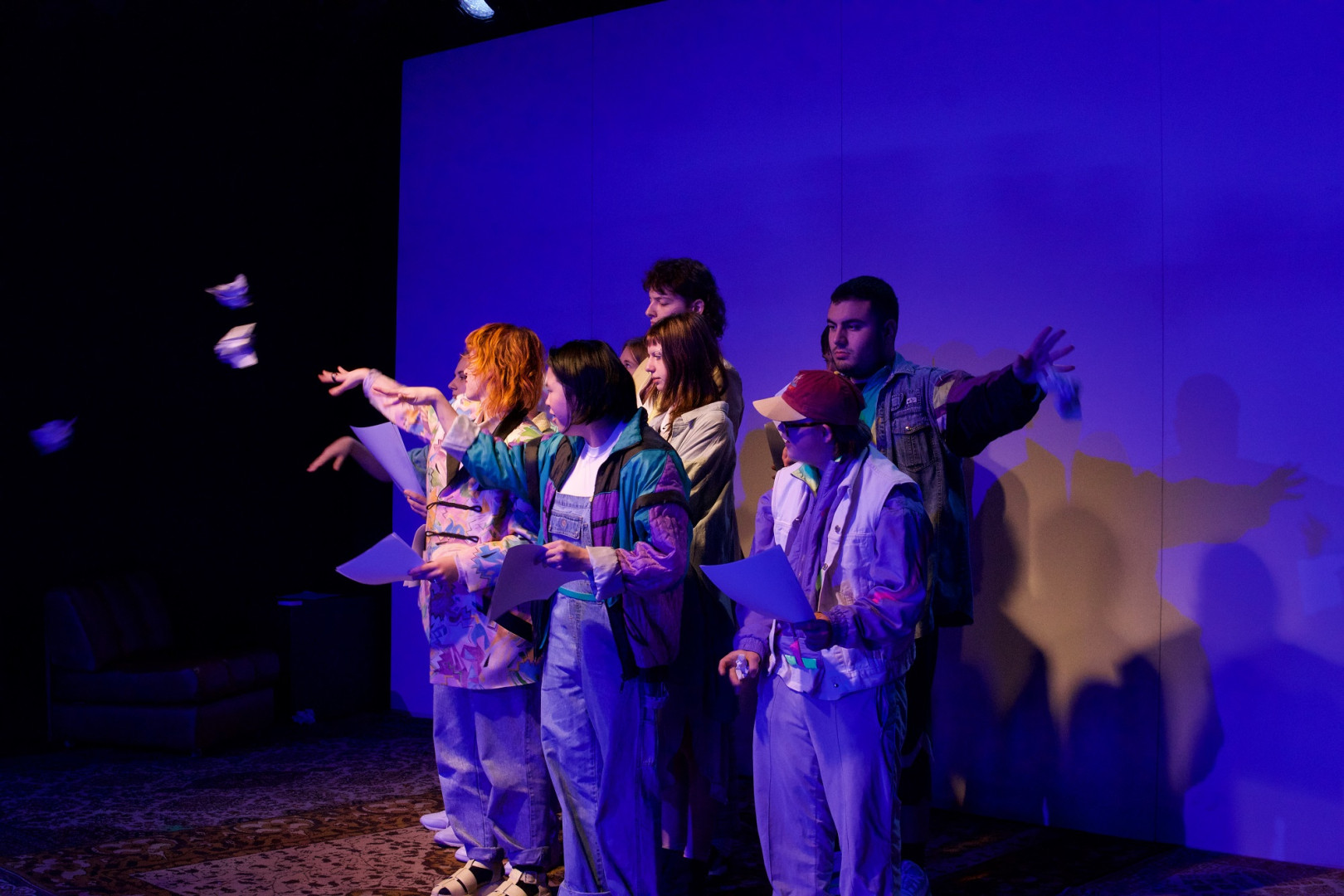
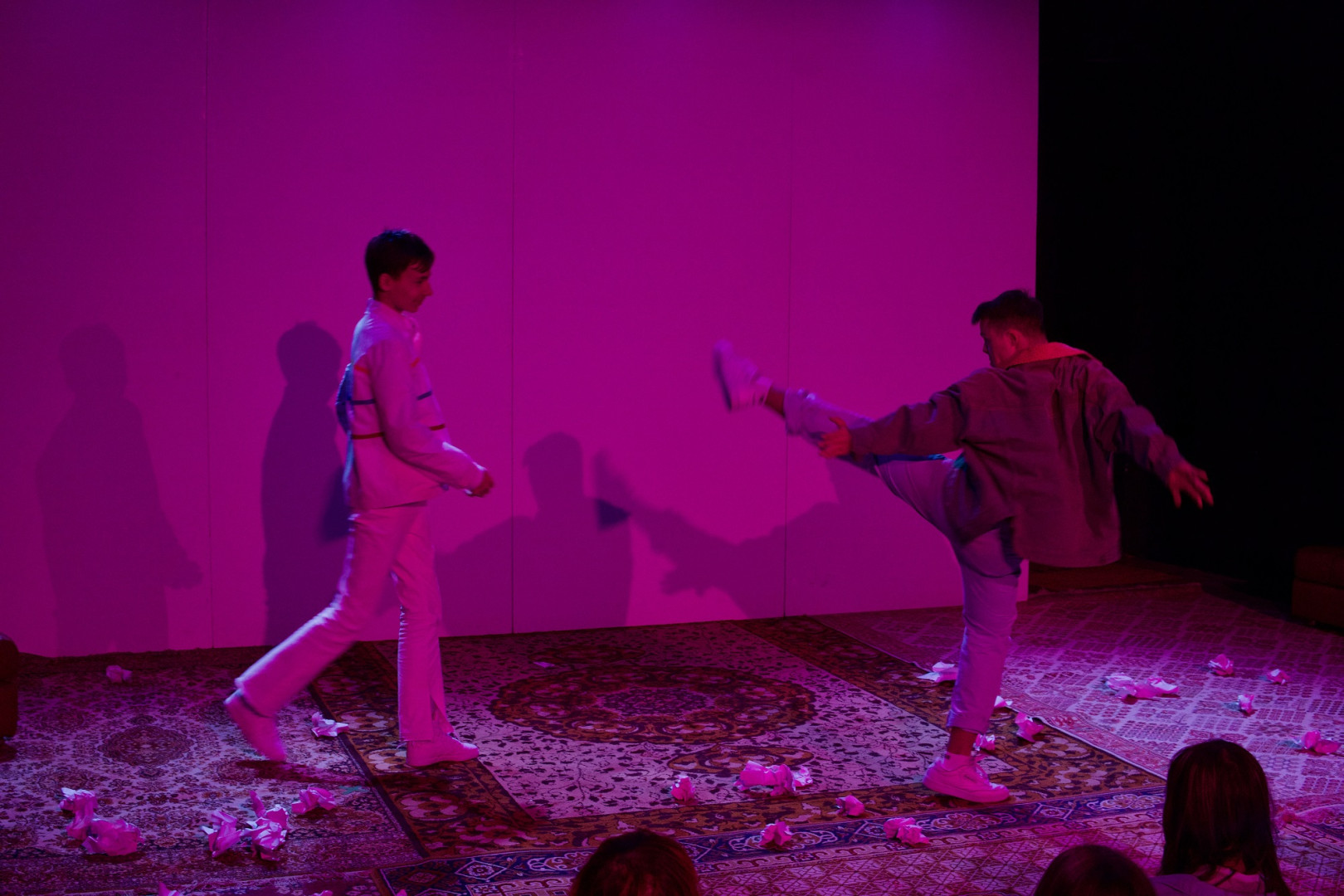
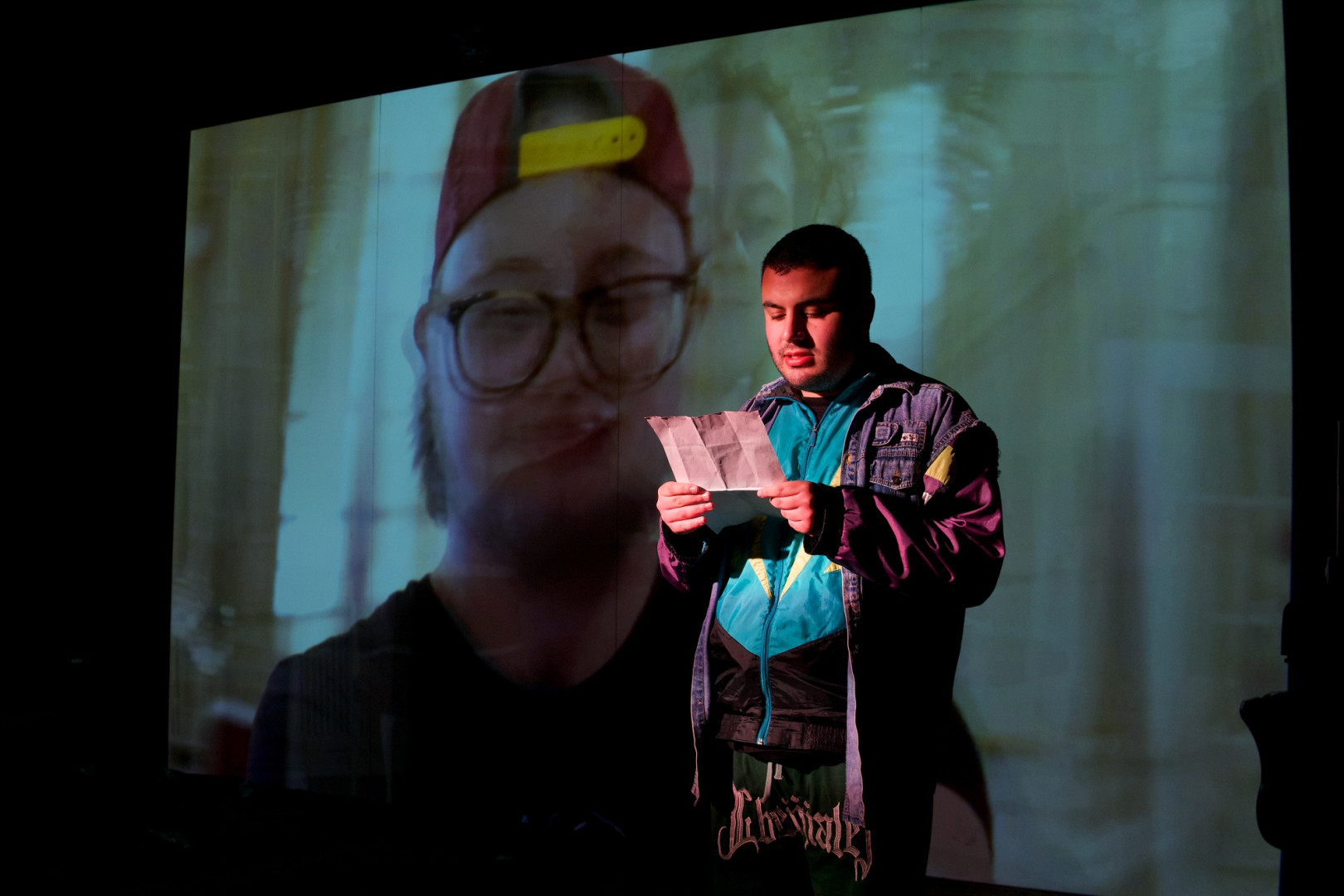
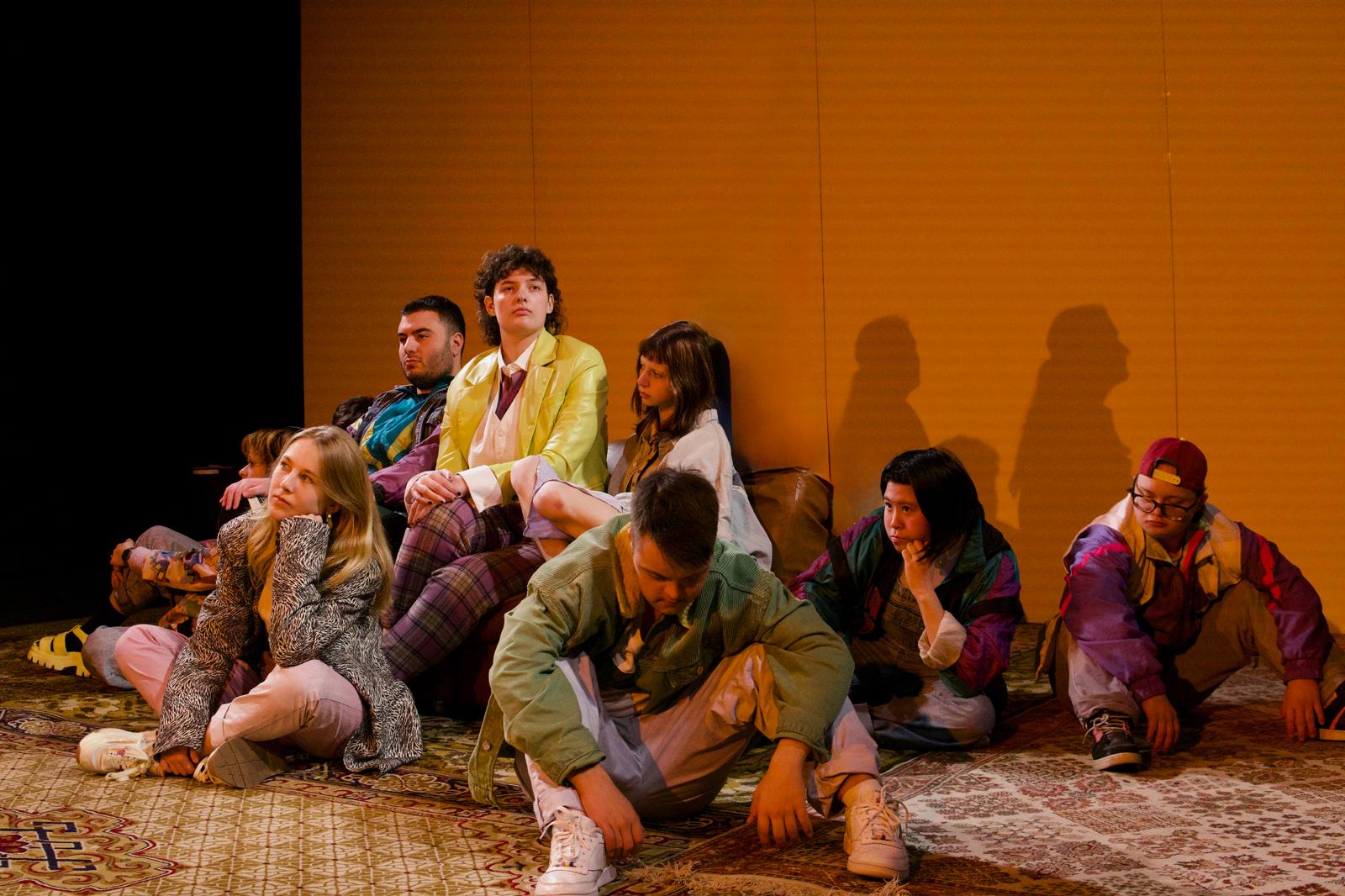
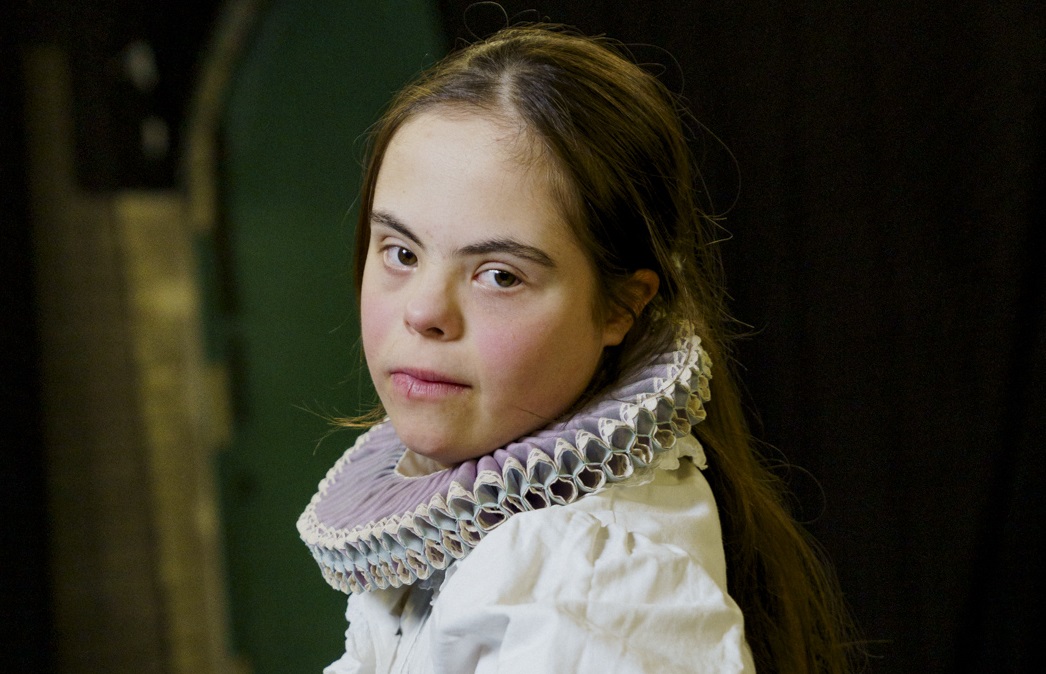
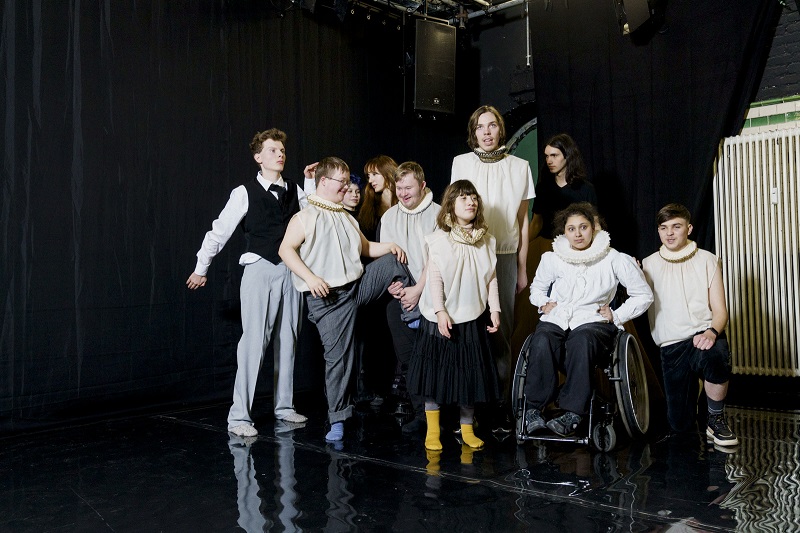
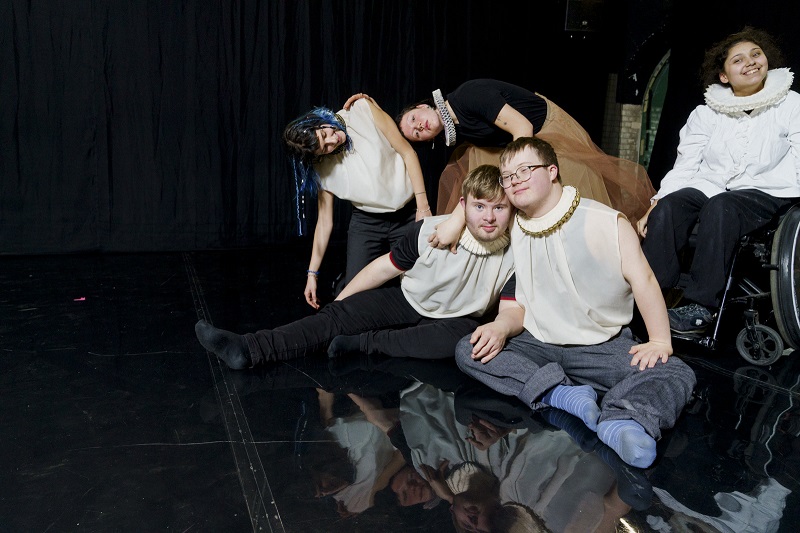
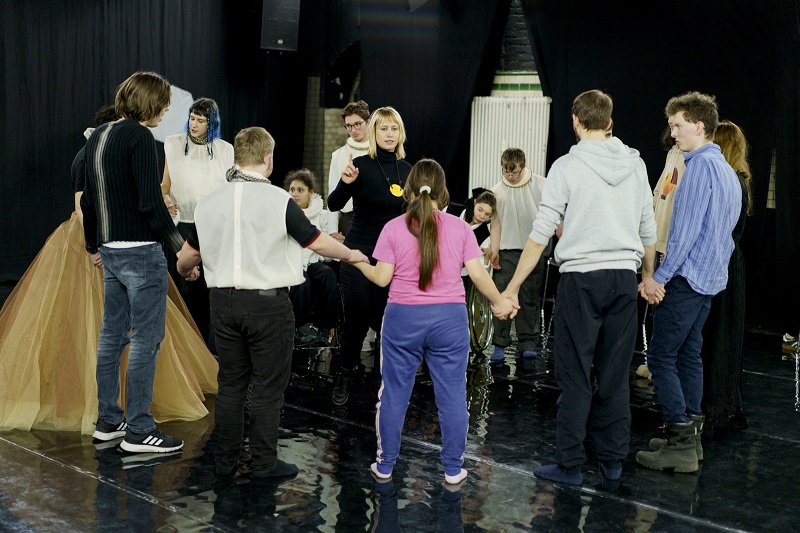
Theatre, youth and inclusion are at the heart of our work at the RambaZamba Theatre Young. We open up the theatre to young people with and without disabilities and create spaces in which different realities of life and perspectives come together. Theatre becomes a bridge for mutual understanding and enables encounters that overcome barriers.
We recommend the RambaZamba Theatre plays for all young people aged 14 and above. If you would like to come to us as a group or class, we offer various formats to accompany the theatre visits. Our formats make it possible to experience the RambaZamba Theatre as an extracurricular place of learning and to implement inclusive participation. All formats of the Young RambaZamba Theatre are free of charge and can be booked flexibly for the most part.
The Young RambaZamba is part of the theatre education working group of the Berlin theatres. In monthly meetings, a professional exchange on artistic and social discourses and current trends is encouraged, the field of art education at the participating theatres is illuminated and new impulses are set.
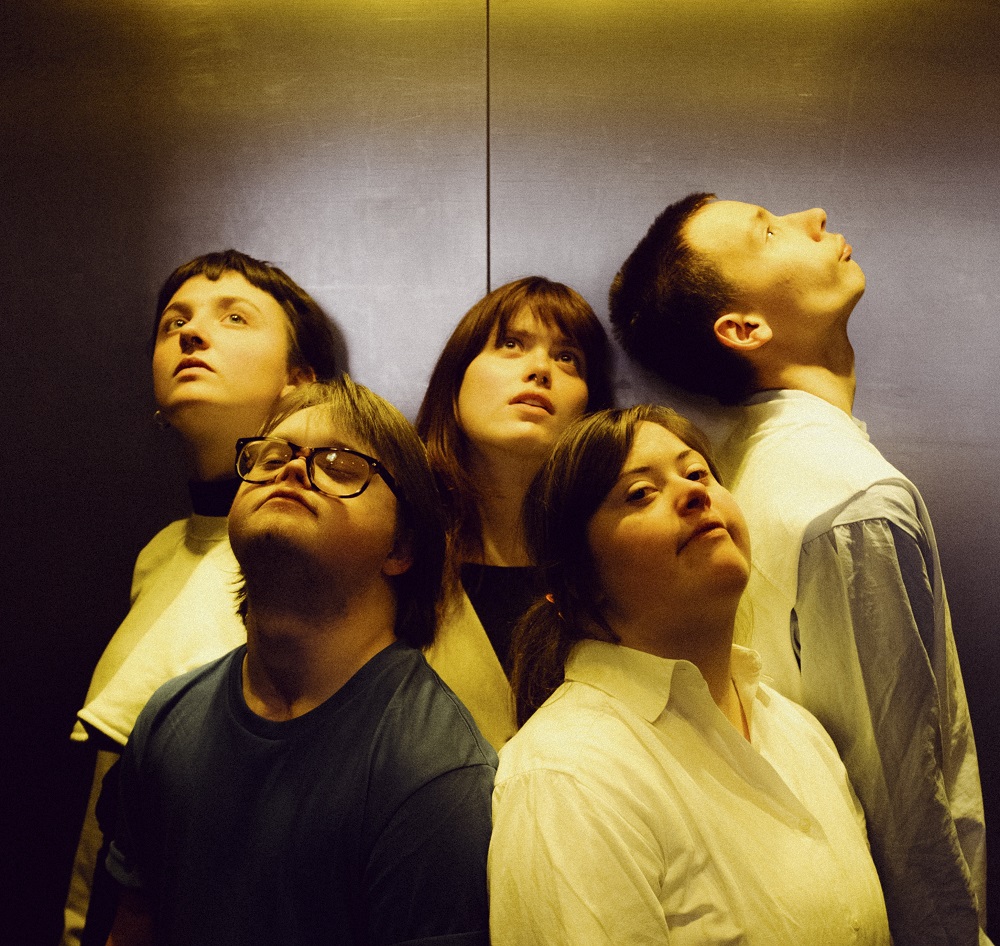
Young ensemble
TASTE TESTING – The Best Recipes
By Club Teleskop X Junges RambaZamba
This season, Junges RambaZamba and Club Teleskop transform the stage into a giant kitchen, testing their most important recipes — whether for life itself or, quite literally, for cooking and eating. They experiment, season, write things down, create, taste, discard, and rebuild.
14 young people aged 12 and up invite the audience to reflect on big questions: What do we actually like — and what don’t we? Which recipes do we know, and what do they mean to us? Which ones should we keep, and which urgently need to be rewritten?
With: Daniel Beesk, Ella Willeke, Fiete Boeken, Friederike Rühmann, Hanna Nguyen, Henri Kamisch, Junis Scheffel, Kseniia Bokanova, Leander Schulte, Luzia Grünheit, Oskar Flamm, Patrick Stocklaß, Rose Migsch-Sharpe, Vida Hunt-Hurle
Artistic Direction (Set Design/Theatre Education): Jeanne Louët, Anne-Sophie Brunold, Alexander Kuen
Music: Jaime Pazos Assistenz
Assistant: Marlene Bakker
Set Design: Julika Haring
Documentation/Video Technology: Yannick Papenfuß
Photos: Kathleen Kunath, Zé de Paiva
Technical Support: Jerry Geiger
Performances:
16 May 2026, 6 pm
17 & 18 May 2026, 4 pm
at Podewil
A project by GRIPS Werke e.V. in cooperation with GRIPS Theater, Rambazamba Theater, Comenius School, and the youth cultural center M24. Funded by ASSITEJ as part of the programme “Kultur macht stark” (“Culture Makes You Strong”).
HOW WE BECOME
A production by the youth clubs of Rambazamba Theater and Schaubühne
This season, the youth club of Junges RambaZamba Theater collaborates with Schaubühne and explores the question: Who am I, and what spaces do I need in order to live my identity freely?
Youth is an exciting time. Who am I — and how do I want to live? What spaces do I need in order to be myself? To freely develop and shape my identity? Especially for young queer people and people with disabilities, these are essential questions in a world where their rights and freedoms are often challenged. That is why it is so important for young voices to be heard — loudly, courageously, and clearly.
The queer theatre project HOW WE BECOME addresses these themes. What moves teenagers and young adults — with and without disabilities — who identify as part of the queer spectrum? Together with the participants, theatre educators Lara Michel (Schaubühne) and Lillian Bocksch (Rambazamba Theater) search for answers and bring the perspectives of the performers into focus: What matters to them? What wishes and hopes do they have for the future? What do they want to change, demand, and shape themselves?
With: Eli Wersich, Reza Malik, Svea Korte, Jonte Elias Trieselmann, Isabel Brehm, Parastu Ghashghaie, Samuel Lewis Wagle, Lukas Reitmeier, Felix Hasselbach
Artistic Direction: Lara Michel, Lillian Bocksch
Stage Design: Gaetan Langlois-Meurinne
Costume Design: Roxanne Töpper
Choreography: Fernando Balsera Pita
Music: Sebastian Faust
Dramaturgy: David Gees
Production Assistant: Marlene Bakker
Trainee Assistant: Lara Jaksch
Premiere: 31 May, 5 pm, Schaubühne (K 165)
Additional Performances: 1 June, 11 am; 5 June, 11 am; & 6 June, 7:30 pm
“HOW WE BECOME” is funded by “Zur Bühne”, the support programme of the German Stage Association within the framework of “Kultur macht stark. Bündnisse für Bildung” (“Culture Makes You Strong. Alliances for Education”).
<
>




1
(4)
The training focusses on practical exercises on how communication can best succeed and which factors can lead to misunderstandings. True to the motto: “You cannot not communicate.” (Paul Watzlawick)
Theatre & School
Our various formats make it possible to experience RambaZamba Theatre as an extracurricular place of learning and to implement inclusive participation. We offer the following formats for all RambaZamba Theatre productions for secondary school pupils: Pre- and post-performance discussions, workshops at school and in the theatre, further training on inclusive theatre work and guided tours of the RambaZamba Theatre.
Kieztour
Together with pupils, we explore the neighbourhood around the school using artistic methods. We ask: How does the urban structure influence the realities of life? Where do pupils spend time and why? Which places encourage dialogue, which are avoided? How inclusive is the neighbourhood, and are people with disabilities part of the urban structure? How are places used and appropriated? The project can be carried out as a project day or via weekly meetings over a set period of time.
Project week
In one week, students develop a format with us on topics of their own choosing. Various artistic methods are used to create results that are presented at the end. The project week offers space for participation, exchange and new perspectives - flexibly adaptable to the school.
Communication training
The training focusses on practical exercises on how communication can best succeed and which factors can lead to misunderstandings. True to the motto: “You cannot not communicate.” (Paul Watzlawick)
TuSch
As part of our TuSch cooperation (Theater and School), the RambaZamba Theater is entering into a three-year partnership with the Wilhelm von Humboldt Comprehensive School. Together with artists, the students develop professional theater productions.
Audiowalk
The RambaZamba Theatre comes to your school. Via an audio walk, the pupils get to know both the RambaZamba Theatre ensemble and the work of the actors in the theatre. Through games and exercises, led by the actors, the pupils come into contact with the topic of inclusion in a playful way.
Classroom play
Version 2.5
Who do you want to be tomorrow? What can you improve about yourself? How can you gain more recognition — for your beautiful appearance, your great body, your cool attitude, your perfect skin?
The mobile dance performance “Version 2.5” explores self-optimization, beauty ideals, and the question of “true” beauty — focusing on the perspectives and lived experiences of young people with and without disabilities.
The piece can be performed directly on site in any classroom, without a stage and in close proximity to the audience.
The project was funded by the Department of Art and Culture of Bezirksamt Pankow.
Performance: Juliane Siebecke
Choreography and Performance: Fernando Balsera, Ruben Reniers
Artistic Direction: Lillian Bocksch, Anne-Sophie Brunold
Watching theater
We recommend the RambaZamba Theatre plays for all young people aged 14 and above. If you would like to come to us as a group or class, we offer various formats to accompany the theatre visits. Our formats make it possible to experience the RambaZamba Theatre as an extracurricular place of learning and to implement inclusive participation.
Follow-up discussions
We meet after the performance and talk about what we have seen. What was presented how and in what way? What were our favourite moments? Where were there irritations?
Workshops on the productions
We work practically on the themes of the plays and give an insight into the aesthetics and history of RambaZamba Theatre.
Workshops on inclusive work
What are the requirements for the success of inclusive theatre work? Practical and theoretical input are combined in this workshop.
Productions
FRISCH gefragt!
FRISCH gefragt!
An inclusive theatre play by the young RambaZamba ensemble
Who was Max Frisch again?
Oh yes - the one with the questionnaire. This was the starting point for asking our own questions. Open, uncomfortable, tender, honest questions. We listened to each other. Contradicted each other. Found ourselves again - and looked for answers. Or maybe it's not about answers at all, but about the right questions?
‘What makes me really happy?’
This central question runs through the play - personally, honestly, sometimes loudly, sometimes quietly. It's about love, friendship, fears and hopes. About the future. About us. Those who ask risk a lot - but sometimes discover more than expected.
What if happiness doesn't lie in solutions - but in the search itself?
In FRISCH gefragt! we bring our thoughts to the stage: as texts, as movements, as images, as sound.
A participatory play development by and with: Parastu Ghashghaie, Elsa Ebeling, Anna Friedrichsen, D. B. Geißler, Amyli - G. von Gersdorff, Nadja Henß, Lara Alison Jaksch, Käthe Maj Selma Lange, Lotte Latscha, Hanna Nguyen, Ursula Raschke, Lukas Reitmeier, Niklas Ufer, Aila Wittig Stage: Lillian Bocksch and Sascha Vajnstajn Costume: Val de Licer Choreography: Fernando Balsera Film: Laura Nitsch Sound: Frieder Blume Visuals: PPPANIK Dramaturgy: Petros Mandalos Assistance: Paulina Heyse and Erna Schmidt-Oehm
Premiere: 20 July 18:00 2025 at the RambaZamba Theatre
Further performances: 21 July & 22 July 2025 11:00 at the RambaZamba Theatre
AutumnLab: Love Letters
In cooperation with DT Jung*
Sometimes people love each other but cannot be together. Then they write to one another: love letters! The holiday workshop by DT Jung* and Junges RambaZamba Theater invites participants to write new love letters together or rediscover old ones. Whether written with ink on paper, as a WhatsApp message, an Instagram DM, or a link to a favorite song — all of these declarations of love are collected, discussed, and ultimately presented.
AutumnLab Love Letters brings together participants with and without disabilities. The rehearsal and presentation spaces are fully accessible.
Artistic Direction: Mirah Laline, Lillian Bocksch, Sascha Vajnstajn
Dramaturgy: Joy von Wienskowski
Premiere: 2 November 2024 at Deutsches Theater
Stabat Mater
Stabat Mater is one of the central religious texts of the Western world and has inspired numerous musical settings. The text tells the story of Mary’s grief over her crucified son Jesus. The version by Estonian composer Arvo Pärt forms the core of this project, which is now being performed at the Tischlerei stage of Deutsche Oper.
The production is a collaboration between Junge Deutsche Oper and Junges RambaZamba Theater. Over several months, an ensemble of 25 young people from diverse backgrounds — with and without disabilities — worked together. Starting from a music-theatre exploration of emotions and dramatic emotional expression on opera and theatre stages, the young performers examined above all the emotions of grief, anger, and fear, as well as their individual and collective ways of dealing with these feelings.
With: Aila Wittig, Anastasiia Hryshchenko, Alya Share, Bohdan Pyliavskyi, Charlotte Ausan, Csilla Feher, Daniel Beesk, Denise Soliva, Felix Hasselbach, Ivan Rabosh, Leander Helm, Lotte Latscha, Louise Dessau, Malina Höfflin, Milica Milic, Niklas Ufer, Niklas Weise, Nuria Kovacs, Leif Lapuks, Parastu Ghashghaie, Paulina Schulz, Setareh Hashemi, Tony Plate, Valeriia Beketova
Musical Direction / Devised Theatre Development: Misha Cvijovic
Staging / Choreographic Collaboration: Fernando Balsera Pita
Percussion / Musical Collaboration: Antonio Rivero
Costumes: Carlotta Dering, Marlene van Dieken
Dramaturgy: Loretta Würtenberger
Assistant Director: Til Roller
Conductor: N. N.
Soprano: Meechot Marrero
Mezzo-Soprano: Oleksandra Diachenko
Tenor: Chance Jonas-O'Toole
Violin: Tina Kim
Viola: Seo-Hyeun Lee
Cello: Stephan Buchmiller
Premiere: 5 April 2024 at Deutsche Oper
Team & Contact
Lillian Bocksch
E-Mail:
l.bocksch@rambazamba-theater.de
Anne-Sophie Brunold
E-Mail:
a.brunold@rambazamba-theater.de
Sascha Vajnstajn